The “Delicious” $5 Grocery Staple That Makes Everything It Touches Taste 1000x Better (It’s So Easy to Cook With)
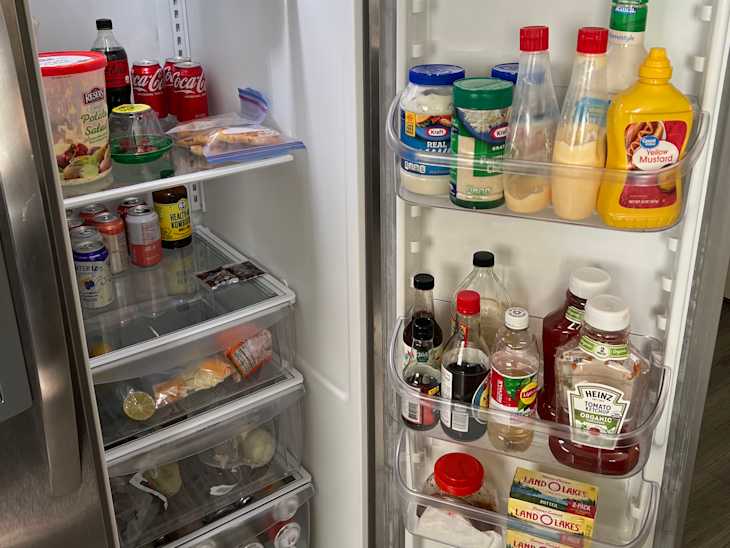
I can’t get enough of pickled foods. My birthday actually falls on National Pickle Day (November 14!) so it’s kind of meant to be. As a college student who has experienced her fair share of small (and at times non-existent) kitchens, I’ve learned that fermentation is my friend. Pickling prolongs the lifespan of foods, and gives dishes a vinegar-y punch (with probiotics).
Kimchi, essentially spiced and fermented vegetables, is a staple side dish, or banchan, of Korean cuisine. Most commonly the vegetable used is napa cabbage, and aromatics like gochugaru (red pepper flakes), garlic, ginger, green onions, and salted shrimp are added. The flavor is spicy and sour, and the pickling gives it a subtle and satisfying crunch.
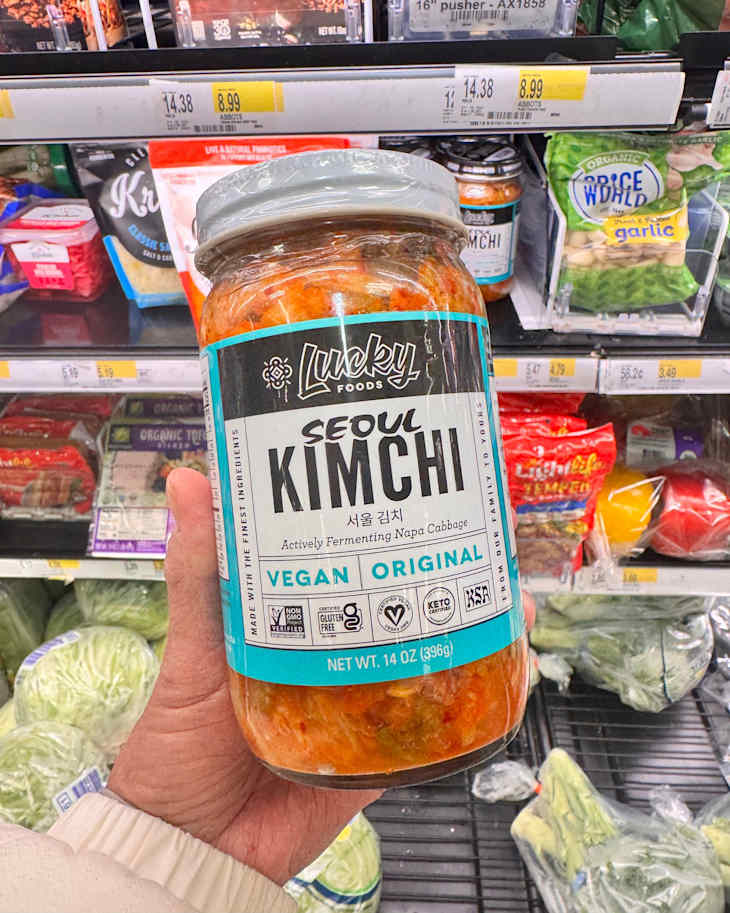
My personal favorite is Seoul Vegan Original Kimchi. I use it in hash browns, instant noodle cups, and basically everything else.
What’s So Great About Seoul Vegan Original Kimchi?
Seoul Vegan Original Kimchi is my trusty kimchi of choice. Unlike most, this one omits fish sauce and shrimp paste, which makes it great if you’re plant-based or cook often for friends who are vegan or have a fish or shellfish allergy. This kimchi is incredibly tangy and has a medium spice level, which is reassuring for first-timers. If you know you have a high spice tolerance, Seoul also has a spicy version, which tastes like the original with an added kick.

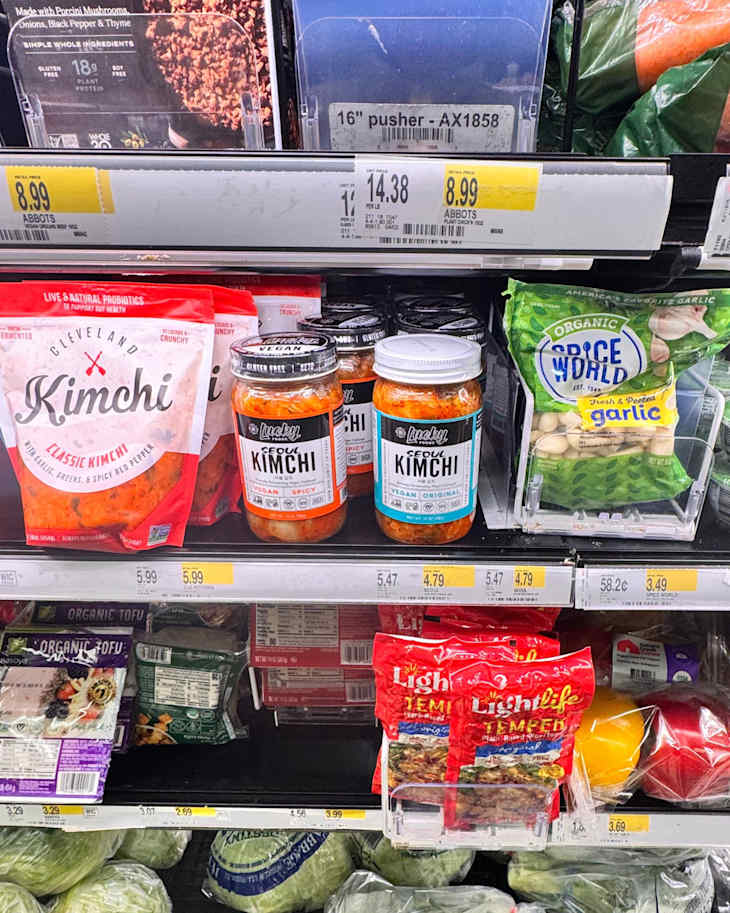
It’s super easy to find and is available at Target and Walmart. Because it costs less than $5 per jar, I typically buy two at a time — one for immediate use, and one that sits and ferments for a couple more months for extra flavor.
What’s the Best Way to Enjoy Seoul Vegan Original Kimchi?
Kimchi’s bold and umami flavor speaks for itself. It’s versatile and has so many uses. Here are some of my tried-and-true ways to get the most out of my jar.
Kimchi Noodle Cups
Instant noodle cups are the easiest dorm meal and are also practical for students on-the-go. Just spoon two teaspoons of soup stock paste into a Mason jar. Fill with cooked noodles and add the kimchi and a couple of tablespoons of the kimchi brine. Place the lid on and refrigerate until you’re ready to eat. To cook, cover the noodles with boiling water and let steep for two minutes. Optionally, top with herbs like cilantro and green onions for a fresh kick. If you’re feeling extra lazy, though, feel free to just add some kimchi to instant ramen for a similar effect.
Cheesy Kimchi Quesadilla
I make cheesy kimchi quesadillas at least twice a week — they’re so easy to make. First, chop up three tablespoons of kimchi into small pieces. Spread evenly on half a tortilla and sprinkle your favorite shredded cheese on top (I like mozzarella) — I do about a quarter cup. Fold over and pan-fry with a little oil for about two minutes on each side until golden-brown and toasty. It comes together in just five minutes and is so delicious!
Kimchi Rice Bowl
This rice bowl is reminiscent of Emily Mariko’s salmon rice bowl, but instead of salmon I use kimchi! Start by chopping up a quarter cup of kimchi into uniform bits. Stir the kimchi into a bowl of cooked rice and mix in a tablespoon of Kewpie mayo. Top with a fried egg for some extra protein and serve with your favorite seaweed snacks.
Buy: Seoul Vegan Original Kimchi, $4.79 for 14 ounces at Target
This post was a collaboration between Dorm Therapy and The Kitchn and originally appeared on Apartment Therapy. See it there: The “Delicious” $5 Grocery Staple That Makes Everything It Touches Taste 1000x Better (It’s So Easy to Cook With)