5 “Cleaning” Fights You and Your Roommate Will Have (and How to Solve Them), According to an RA
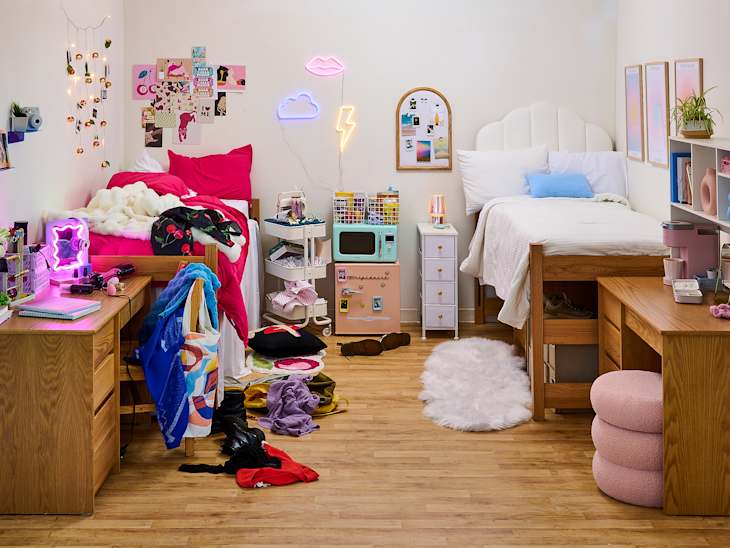
Being a head resident advisor has given me a front-row seat to the ups and downs of college roommate relationships. One of the most common themes I’ve noticed while supporting residents? Cleaning issues. Many of the conflicts that arise between roommates — whether they’re close friends or total strangers — stem from differences in schedules, habits, and cleanliness standards.
Some people thrive in a meticulously clean space, while others are fine with organized chaos. Add in late-night study sessions, early-morning alarms, extracurricular commitments, and part-time jobs, and you’ve got a recipe for clashing cleaning expectations. From discussions about dirty dishes to questions about funky smells, cleaning conflicts can escalate quickly if left unaddressed.
The good news is that these issues are solvable with a little communication, some compromise, and a few creative hacks. Here are five of the most common cleaning fights I’ve seen between roommates — and my RA-approved recommendations for how to clear them up, stat.
The Dirty Dishes Battle
The Fight:
I’ve found that dirty dishes are one of the most common and frustrating sources of roommate tension. Maybe one person forgets to clean up after cooking, or worse, they leave plates and utensils in the sink or dorm kitchen area for days, hoping someone else will take care of them. Those dishes and food scraps become a breeding ground for unpleasant smells. And when the dishes start piling up, the mess can spread to other areas, like the desk or nightstand, making the entire space feel unclean.
How to Solve It:
- Establish Clear Expectations: Keeping the kitchen area tidy benefits both of you — so make a plan early about cleaning and storing dishes to avoid clutter. For example, agree that no one should leave dirty dishes in the sink overnight or let food dry on plates overnight. Clear guidelines can prevent misunderstandings.
- Create a Dishwashing Schedule: This is one of the simplest ways to ensure fairness. Assign specific time slots for each roommate to wash their dishes, and make sure everyone agrees to the schedule and sticks to it. If someone is using shared plates, it might make sense to rotate the responsibility for cleaning all dishes. If you each have your own dishes, you’re only responsible for cleaning your own; you don’t have to wash your roommate’s water bottle or utensils unless you borrow them.
- Use Visual Reminders: For forgetful roommates, try using a whiteboard or sticky notes near the sink or kitchen area. A simple “Don’t forget to wash your dishes today!” reminder can go a long way.
- Have a Calm Conversation: If someone isn’t following the system, talk to them directly. Avoid blaming. Instead, use “I” statements, like, “I feel frustrated when dishes pile up because it makes cooking harder for me. Can we revisit our cleaning plan?”
The Trash Overflow Showdown
The Fight:
Trash buildup happens fast in a dorm room, especially if multiple people are sharing the space. It’s easy to assume someone else will take it out, leading to an overflowing trash can (and the potential for *odors*). Everyone notices the problem, but no one takes the initiative to solve it, which can create resentment.
How to Solve It:
- Set Up a Rotation System: Assign specific days for each roommate to take out the trash. Create a shared calendar (either a physical one in the room or a digital one) to keep track of responsibilities. When everyone knows their turn, it reduces the chance of avoidance.
- Use Smaller Trash Bags: If the trash can is too large, it’s easy for everyone to ignore it until it’s completely full. Using smaller bags forces more frequent trips to the dumpster and keeps the mess from piling up.
- Tackle It Together: For roommates who are resistant to individual turns, agree on a communal cleaning day where you all pitch in to take out the trash and tidy up other shared areas.

The Pile-of-Clothes Argument
The Fight:
One roommate has a habit of leaving clothes — both clean and dirty — scattered across the room. Maybe there’s a pile of gym clothes in the corner, or clean laundry stays draped over chairs and furniture for days. Over time, this clutter can make the shared space feel messy and uncomfortable.
How to Solve It:
- Start with a Gentle Reminder: Politely mention how the clutter impacts the shared space — again, use those “I” statements. For example, say, “I’ve noticed that clothes on the floor make it harder to keep the room tidy. Can we work on a solution together?”
- Provide Storage Options: Suggest practical clothes storage solutions, like collapsible hampers for dirty laundry and lidded bins to keep clothes out of sight. These options are especially useful in small dorm rooms where space is limited.
- Set Boundaries for Shared Spaces: Make it clear that communal areas — like the floor and chairs — should be kept free of personal belongings. Agree that everyone will keep their items in their own designated area.
The Vacuum Dispute
The Fight:
Crumbs, dust, and dirt accumulate over time, but let’s face it: Teeny specks can be easy to ignore. Still, whether it’s leftover snack crumbs or dirt tracked in from outside, the mess will just keep growing.
How to Solve It:
- Upgrade or Borrow Equipment: If your vacuum is outdated or inefficient, ask your RA if there’s a better one to borrow. Alternatively, pool money with your roommates to buy a higher-quality model.
- Invest in a Handheld Vacuum: For quick cleanups, a small handheld vacuum can make it easier to deal with crumbs and small messes without dragging out a full-size vacuum.
- Set Expectations: Agree on how often vacuuming should happen and stick to the plan. For example, decide that vacuuming will be done every Sunday.
The Smell Situation
The Fight:
No one wants to live in a smelly room. Unpleasant odors — whether from food, dirty laundry, or trash — can make a shared space feel uncomfortable. If no one addresses the issue, it can lead to passive-aggressive behavior and conflicts about hygiene.
How to Solve It:
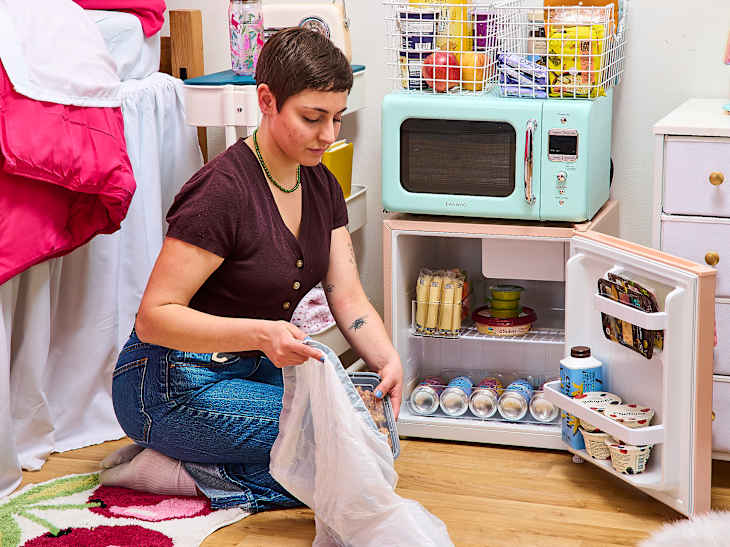
- Identify the Source: Figure out what’s causing the smell and address it directly. If it’s food, regularly clean out the mini fridge. If it’s laundry, use a hamper with a lid to contain odors. And if you think it’s specifically your roommate’s food or laundry, address it respectfully. Start a casual conversation: “Hey, I’ve noticed our room has a strong smell — think we could find a way to keep it fresher?” Suggest simple fixes like airtight containers for food or a laundry schedule.
- Invest in Freshness: Use a wax warmer, air freshener, or candle warmer to neutralize bad smells. Be sure to check your hall’s policies to ensure that these items are allowed.
- Improve Ventilation: Open windows regularly to circulate fresh air. If that’s not an option, use a small fan or air purifier to improve airflow.
All these cleaning conflicts boil down to one thing: a lack of communication and clear expectations. The best way to avoid tension with your roommates is to sit down early and set ground rules for how the space will be maintained. Talk about what everyone values in a clean room, divide up responsibilities, and agree on a schedule to keep things on track. Whether it’s a dishwashing rotation, weekly vacuuming plan, or regular trash duty, having a clear approach ensures that no one feels overburdened.
This is why I love Reset Sundays. Dedicating one day a week to tackling your shared space not only keeps it clean but also sets the tone for a productive and stress-free week ahead. By committing to open conversation and a consistent cleaning routine, you and your roommates can transform your dorm into a space that’s not just livable but truly enjoyable for everyone.